Social Pulse

Rupert Lowe posted attacking Keir Starmer directly on 18 March 2026. Starmer had tweeted about cost-of-living relief measures. Lowe's response: "well you're doing a crap job." The engagement numbers tell the story. Starmer pulled 1,700 likes. Lowe pulled over 20,000.
Attack posts average 78,000 engagement versus 25,000 for policy content. Emotional directness beats detail by three-to-one. When Lowe pairs crime trauma with immigration threat framing, engagement spikes further. When he posts actual policy proposals, the numbers collapse.
The Rape Gang Inquiry content offers a partial exception. Those posts sustain engagement because procedural accountability plus victim testimony keeps audiences hooked. It's just structured trauma, dressed in justice language. That gives the base permission to share without looking like pure reactionaries.
Compare that to Starmer's feed. Labour posts defensive policy claims that generate minimal traction. The pancake video from 18 February 2026 became a viral joke. Seventeen seconds of Starmer surprising Rachel Reeves with Nutella pancakes on Shrove Tuesday generated mockery, not votes. The AI-generated Clarkson video showing him punching Starmer hit 2.4 million views on 11 March 2026. Labour's own content never approaches that velocity.
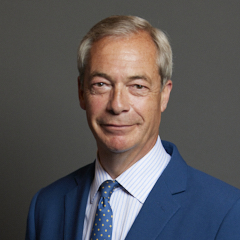
Nigel Farage is facing his own credibility collapse on X. The Guardian exposed over 4,000 Cameo videos where Farage charged between £72 and £133 per clip. He endorsed everything from collapsed cryptocurrencies to convicted fraudsters. He promoted Celsius Network for £133. The founder got twelve years for securities fraud. Farage's response was defensive: attacking YouGov's polling methodology rather than addressing the conduct. That defensive posture kills engagement. Lowe never defends. He only attacks.
X rewards directness, emotion, and conflict. Lowe delivers all three. Starmer delivers policy briefs. Farage delivers excuses. The platform has already decided who wins.

Facebook is where Lowe's strategy scales through community distribution rather than viral velocity. The platform's older user base and share-heavy culture turn Restore Britain content into sustained community conversation. Posts that spike and fade on X become multi-day engagement threads on Facebook.
Crime posts with religious or nationality anchors don't just pull likes. They pull shares into closed groups where Restore's base congregates. The comment sections become self-reinforcing echo chambers. Users tag friends. They copy-paste into their own feeds. The engagement compounds.
The Rape Gang Inquiry content performs particularly well on Facebook because the longer-form capacity allows detailed responses. Where X limits conversation to quick dunks and quote-tweets, Facebook threads become testimonial spaces. Users share their own experiences or second-hand stories. Facebook interprets sustained comment threads as high-value content and pushes it further.
Policy posts still underperform on Facebook, but the gap is slightly narrower than on X. Where X policy content dies at 25,000 engagement, Facebook policy posts can hit 30,000 through share mechanics. But that's still dwarfed by crime-and-threat content averaging 78,000. The audience Lowe has built wants emotional validation, not wonkish detail.
Labour's Facebook strategy remains nearly invisible. The party lacks Lowe's content velocity and never generates the community distribution patterns Restore achieves. When Labour does post policy detail, it lands in feeds as isolated content that generates minimal comment engagement and zero sharing.
The structural advantage Facebook gives Lowe is audience consolidation. His followers aren't passive consumers. They're active distributors who treat his posts as shareable ammunition. That turns every post into potential community content rather than just personal broadcasting. Starmer's posts sit in feeds, get a few likes, and disappear. Lowe's posts become group conversation starters that run for days.
The Competition





I want to be really clear about our party’s official response.
We do not give a shit.
The Mail reports when she was rescued the girl's shorts were 'round her ankles' and his 'lower clothes' were also down. He was 'bent over her near the bed'.
A five year old.
Britain is a Christian country, and under a Restore Britain Government it would remai...
The Mail reports when she was rescued the girl's shorts were 'round her ankles' and his 'lower clothes' were also down. He was 'bent over her near the bed'.
A five year old.
Prison or deportation...
Oh well.
We do not give a shit.