The Rivals
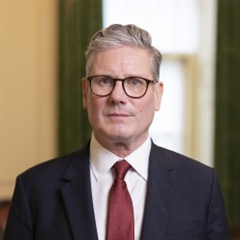
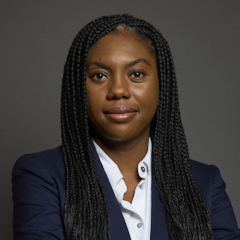
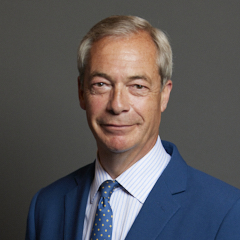
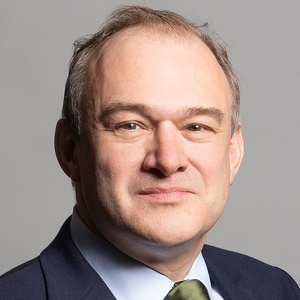

Four migrants deported to France under Starmer's flagship deal returned within days. The policy was theatre. It validated every hardline criticism that Labour's immigration reforms are window-dressing designed to survive news cycles, not address voter anger. Home Secretary Shabana Mahmood threatened resignation over the reforms. Angela Rayner warned on 21st March that Labour's very survival is at stake and Starmer's premiership is running out of time.
The split runs deeper than personnel. Sadiq Khan demanded on 19th March that Labour promise EU rejoin at the next election. Nick Thomas-Symonds rejected it hours later, telling The Independent that Britain will never rejoin. On foreign policy, Starmer authorised US defensive operations against Iranian missile sites from RAF Fairford and Diego Garcia while Foreign Secretary Yvette Cooper warned Iran against targeting UK interests. Domestically, Labour cut international development spending by 40%, African aid from £1.3 billion to £677 million, and climate funding from £11.6 billion to £6 billion over three years.
Reform and the Greens are weaponising cost of living anger with concrete household numbers. Farage promises £200 annual savings. Polanski pledges an £8.4 billion energy bailout. Labour's counter is Rachel Reeves' April bill cap reset. That's not a message voters can see on their kitchen table. Starmer won a landslide 10 months ago. He's now governing a party where his Home Secretary threatens resignation, his deputy warns of existential threat, and his London mayor demands policy reversals Starmer publicly rejects. The immigration deal collapse proves Labour can't execute the policies that might calm internal revolt.


The Conservatives are defending 5,000 council seats on May 7. Internal projections show 1,700 losses. Badenoch inherited a party structure hollowed out by 14 years in power followed by electoral collapse. Reform now holds more council seats in some areas than Conservatives. In Warwickshire 2025, Reform won 48,000 votes and 23 councillors versus Conservative's 40,000 votes yielding nine councillors. The electoral system is punishing Conservative vote efficiency.
Mel Stride attacked Reform's energy policy as breathtaking and dangerous naivety on 17th March. He's not wrong on the numbers, but voters aren't listening. Reform promises £200 annual household savings by scrapping VAT and green levies, funded by £2.5 billion in quango cuts by decade's end. Conservatives offer critique without alternative. Badenoch's silence on concrete cost of living relief leaves Reform and the Greens to own the conversation.
The party also faces crypto funding questions through Ben Delo's Westminster Sanctuary facility. Delo, a US-convicted crypto billionaire pardoned by Trump, provides free office space to rightwing activists and hosts events attended by senior Conservatives including Gove. Conservative peer Tariq Ahmad accused shadow justice secretary Nick Timothy on 21st March of instilling fear among Muslims with comments about Islamic public prayers. The factional warfare suggests a party more focused on internal fighting than electoral recovery. May 7 will determine whether Conservatives retain enough local government base to rebuild or whether they're watching their council base disintegrate in real time.


Farage shut his Cameo account on 19th March citing security reasons. The real reason: The Guardian analysed 4,366 videos showing he charged £155 to praise a riot convict, £141 for a Canadian neo-Nazi event, and £72 to £133 endorsing cryptocurrencies whose founders are now serving 12-year fraud sentences. His Reform spokesperson called these mistakes at scale. At that volume, mistakes are a choice.
He's invested £275,650 in Stack BTC with potential upside to £9 million by January 2028 if valuations hit target. Kwasi Kwarteng chairs the company. Reform policy advocates crypto-friendly taxation and sovereign wealth digital assets. One crypto expert told The Times: if you incentivise him to deliver a large valuation, he's going to work hard to deliver it. Farage sells extremism while banking on regulatory influence he can personally steer.
His councils are collapsing. Staffordshire has cycled through four leaders in 11 months. George Finch, 19, survived a no-confidence vote by one vote after rape case comments triggered protests. Reform won 48,000 Warwickshire votes in 2025 versus Conservative's 40,000, but governing reveals the gap between slogans and competence. Farage promised voters £200 annual savings by scrapping VAT and green levies, funded by 7.5% quango cuts. His councils can't keep a leader for three months. Reform's polling dropped from low 30s last autumn to mid-20s now. Voters are learning what Cameo clients already knew: Farage will say anything if the price is right.

Davey attacked Farage's street-level energy bill giveaway on 17th March, calling it Farage's latest con and referencing ITV's scrapped 2022 offer. He's right that the theatrics are transparent. The problem: Lib Dem councils raised council tax by 5.49% on average this year versus Reform's 3.94%, Labour's 4.71%, and Conservative's 4.9%. Voters comparing their April bills won't reward the party charging the most while attacking rivals' giveaways.
Lib Dems hold 3,214 councillors and 72 MPs, positioning them as the third-largest Westminster party. Their tactical voting strategy in progressive seats worked in the general election. Local elections test different ground. Reform won its first Welsh council seat on 18th March with Scott Thorley taking 179 votes in Pembrokeshire at 32.7% turnout. That's a single seat on a 60-member council, but it signals Reform is contesting ground Lib Dems need to defend their rural and suburban base.
Davey's cost of living critique lands only if Lib Dems offer a credible alternative to Reform's £200 household savings claim or Polanski's £8.4 billion energy bailout. They don't. Max Wilkinson attacked Farage's Cameo scandal, calling it a shameless cash grab proving Farage will say almost anything for the right price. That's accurate, but it doesn't pay voters' energy bills. May 7 tests whether Lib Dems can hold tactical voting gains when the battleground shifts from unseating Conservatives to defending councils against Reform and Green challengers. Their tax rises make that harder.
Green Party membership surged from 55,000 when Polanski ran for leader to over 220,000 now. Polling has tripled. He told reporters on 20th March that his 30 to 40 MP target from the leadership campaign feels under ambitious. The growth is real. The policy coherence is absent. More in Common polling showed 33% of voters would consider voting Green. That collapsed to 16% when they learned about his 2013 claim that he could enlarge women's breasts through hypnosis. A 17-point penalty before policy scrutiny even begins.
Polanski unveiled an £8.4 billion energy bailout on 18th March funded by £12 billion in oil and gas wealth taxes. He simultaneously pledged EU rejoin, rent caps, water nationalisation, and utility bailouts. His signature policies poll underwater with his own members: NATO withdrawal sits at minus 45 net popularity, drug legalisation at minus 3 among Greens. He's building a movement on cost of living anger while campaigning on positions radically unpopular with the electorate he's trying to win.
The split is structural. Greens claim anti-establishment energy while promising to rejoin the supranational institution British voters rejected in 2016. Polanski attacks magic money trees while proposing the largest public spending pledge of the election cycle. His opposite to Reform is complete: Reform cuts taxes and spending, Greens increase both, neither defines the trade-off between lower bills and funding. Membership growth proves voters are angry. Policy unpopularity proves Polanski hasn't translated that anger into a platform that survives scrutiny. Staffordshire's four leaders in 11 months suggests governing on anger alone doesn't work.


Labour splits on immigration while Reform implodes on competence. The Greens surge on anger, then collapse when voters check the policies. May 7 tests who can actually govern.
Start with Labour's civil war. Home Secretary Shabana Mahmood threatened resignation over Starmer's immigration reforms. Angela Rayner warned on 21st March the party's "very survival is at stake" and Starmer's premiership is "running out of time." The proof Labour's border policy fails: four migrants deported to France under Starmer's flagship deal returned within days. Of 377 sent back, that's a 2% return rate detected. Two more evaded detection entirely. Arrivals logged on 5th March and 12th March. The policy is theatre and Mahmood knows it.
Then watch Reform's councils. Staffordshire had four leaders in 11 months. George Finch, 19, survived a no-confidence vote by one vote (26-27) on 19th March after rape case comments sparked protests. Seven Reform councillors control Cannock. The £840 million budget means nothing if leadership collapses every quarter. May 7 is Reform's first real governance test across 12 councils. One voter captured the buyer's remorse perfectly: "I voted for Reform but they won't make a difference as there are too many rules and human rights." That's not policy criticism. That's regret.
Farage compounds the damage. The Cameo scandal (£374,893 endorsing neo-Nazis and crypto scams at £155 per clip) refuses to die. He shut the account on 19th March citing "security concerns" after Guardian exposed 4,366 videos. Nick Timothy faced Muslim community backlash on 21st March for "instilling fear" after supporting Farage's call to ban public Muslim prayer. Conservative peer Tariq Ahmad delivered the rebuke. Reform polls at 27% average across March but support is bleeding. YouGov shows 25%, down from 30% peaks last year.
The Greens present a different problem. Polanski unveiled an £8.4 billion energy bailout funded by £12 billion oil and gas wealth taxes while promising EU rejoin. Party membership tripled from 55,000 to 220,000. He now calls his 40-MP target "under ambitious." But More in Common polling demolishes the hype: 33% would consider voting Green baseline. That collapses to 16% when voters learn Polanski claimed in 2013 he could enlarge women's breasts through hypnosis. His own policies poll underwater with his members: NATO exit scores negative 45, drug legalisation negative 3 among Greens. The party surges on cost-of-living anger while offering policies voters won't touch.
Labour's split is everywhere. Sadiq Khan demanded on 19th March that Labour promise EU rejoin at the next election. Nick Thomas-Symonds told the Independent UK will never rejoin. That's Labour's centrist firewall against the Green flank. Except Starmer's deportation theatre collapsed immediately. Leeds City Council offered staff "safe spaces" ahead of Farage's campaign visit on 21st March. He called them "pathetic, weak people." That line will play in every northern seat where Labour once held working-class voters.
May 7 separates campaigners from governors. Reform's councils will deliver either competent cuts or chaotic leadership collapses. Early evidence from Staffordshire suggests chaos wins. The Greens will discover that membership surges don't translate when policies poll 17 points underwater with disclosure. Labour will bleed seats where voters wanted enforcement, not counselling. And the Conservatives will learn whether they retain enough local government base to rebuild or whether Reform has broken their electoral machine for good.