The Rivals
Zack Polanski claimed on 18 March he'd apologised on radio for calling himself a "boob whisperer" hypnotherapist. BBC fact-checkers found no such interview existed. The lie blew up just as he demanded an £8.4bn energy bailout funded by a £12bn tax raid on oil firms. His credibility as Green leader is now gone.
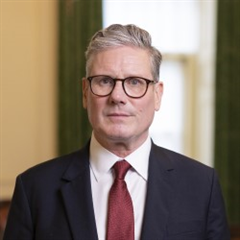

Starmer's 45-post period reveals a sophisticated dual-track strategy: personal stories and family moments drive engagement quality (high comments, substantive debate), while concrete policy figures (energy bills, relief amounts) drive shareability and trust-building. His most effective content connects geopolitical urgency directly to domestic economic pain—deliberately blurring foreign/domestic policy as emotional manipulation. Attack messaging performs well internally but underperforms for viral reach, suggesting he's optimized for base consolidation rather than persuasion; the diversity/tolerance posts mobilize existing supporters but lack external resonance. Tone shift toward vulnerability (mother's illness, self-deprecating humor) indicates strategic softening, but repetitive messaging across platforms and incomplete/truncated posts suggest execution gaps that undermine messaging authority.
Starmer faces rebellion from within and mockery from abroad. Angela Rayner delivered a 1,500-word attack on 18 March warning Labour is "running out of time." She called Home Secretary Shabana Mahmood's immigration reforms "un-British" and a "breach of trust." She's positioning herself as alternative before May local elections where Labour expects carnage.
Trump branded Starmer "disappointing" on 18 March during St Patrick's Day talks. He said Starmer's "no Winston Churchill." The criticism targeted Starmer's refusal to deploy British forces to patrol the Strait of Hormuz despite US pressure. Conservative shadow transport secretary Richard Holden called Starmer's Iran stance "weak and spineless" on GB News the same day.
Labour polls at 17% in YouGov, 22% in More in Common. That puts the governing party fourth in some surveys. When your deputy threatens mutiny and your allies call you weak, May's reckoning isn't some distant threat.


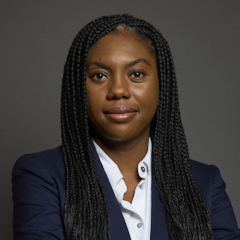
Badenoch's strategy is disciplined opposition attack: Starmer dishonesty + Labour economic failure, delivered via accessible populism and repeated rhetorical structures. Engagement data shows this formula works with Conservative base but lacks persuasive reach—highest-performing posts rely on emoji, simplification, and outrage rather than evidence or policy substance. The near-total absence of Conservative vision (only 'Kemi & Co' attempt, lowest engagement) reveals she's building leadership through opposition rather than forward momentum. This maximizes mobilization but limits electoral ceiling without introducing positive program messaging.
Badenoch backed shadow justice secretary Nick Timothy after he posted on 18 March that Muslims praying in Trafalgar Square during Ramadan iftar was "an act of domination." Starmer called for Timothy's removal. Badenoch said he was defending British values. The row isolates Conservatives from mainstream voters while Reform claims the anti-establishment ground.
The party polls at 17% in YouGov and Sky News, 19% in More in Common. That's fourth nationally. Lord Ashcroft told Tory donors he's sticking with Conservatives "while Kemi Badenoch is leader" but added "after that, all bets are off." When your biggest donor hedges publicly, you're in trouble.
Badenoch pressed Starmer at PMQs on 18 March over whether he personally spoke to Peter Mandelson before appointing him US ambassador. She cited documents showing Starmer was warned Mandelson stayed at Jeffrey Epstein's house. The attack landed but didn't shift polls. Her "Kemi & Co" estate agent video promoting stamp duty abolition has 330,000 views since October. Social media buzz doesn't fix fourth place.


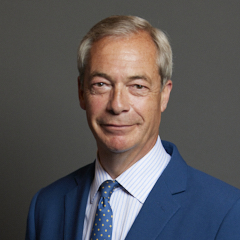
Farage's social media strategy is a high-tempo outrage machine optimized for base mobilization rather than persuasion. Dominant themes center on immigration-as-invasion, anti-establishment grievance, and cost-of-living promises, with consistent resort to inflammatory language, conspiracy narratives, and dog-whistle attacks on diversity. Policy content exists but functions as credibility cover rather than primary messaging driver. The data reveals a leader deliberately prioritizing engagement velocity and base activation over cross-demographic persuasion—a strategy that works for primary mobilization but carries escalating reputational/credibility risk through repeated unsubstantiated claims and ethnic framing.
Farage can't dodge the contradiction anymore. The Guardian revealed on 17 March he earned £374,893 from 4,366 Cameo videos since 2021. He charged £155 to support a far-right riot convict. He charged £141 to promote a Canadian neo-Nazi event. His spokesperson called these "occasional mistakes" at scale. That's not mistakes. That's business.
The scandal hit just as Reform claims it's ready to govern. Farage announced energy policy on 17 March promising £200 annual household savings from scrapping VAT and green levies. He'll fund it by cutting £2.5bn from quangos. Yet his Worcestershire County Council just imposed a 9% council tax rise after he called the authority "virtually bankrupt." He admitted on 13 March he wished Reform "hadn't bothered" taking control. The gap between tax-cutting talk and governing reality costs £145 per Band D household.
Polling puts Reform at 23% in YouGov, 27 to 30% in More in Common and JL Partners. Farage attacked YouGov publicly for "suppressing" his numbers using "bizarre adjustments." The five-point gap separates protest party from government contender. He knows it. So does every donor watching whether Reform's Sleaford by-election win at 45% translates to May dominance or Worcestershire-style fiscal mess.


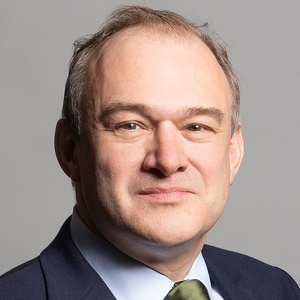
Ed Davey's 43-post sample reveals a leader trapped between two competing strategies: energetic attack-dog positioning on Trump/sovereignty (highly engaging, platform-appropriate) versus softer institutional and personal authenticity messaging (strategic intent, poor performance). His dominant playbook—linking Farage/Reform hypocrisy on energy bills to Trump alignment—works effectively but shows platform-specific optimization gaps (same posts underperform on X) and repetition fatigue. The glaring weakness is humor: insider jokes ('Centrist Daddy Cool,' alpaca puns, shoe metaphors) consistently underperform and invite ridicule, yet he persists, suggesting either reluctance to abandon party brand identity or miscalibration of what 'relatability' actually drives votes. Strategically, he's framed Lib Dems as anti-Trump sovereignty custodians, but lacks the scale (third-party positioning) and policy depth to sustain this as primary differentiator against Labour's actual government power.
Davey's party holds 72 MPs from July 2024 but polls at 14% in YouGov. That puts them behind Reform at 25%, tied with or below Conservatives depending on methodology. The gap between Westminster seats and national support spells trouble in May when Lib Dems defend gains made under different conditions.
Scottish Parliament rejected the Assisted Dying for Terminally Ill Adults Bill on 17 March by 57 to 69 votes. Scottish Liberal Democrat Liam McArthur proposed it. The defeat kills a signature campaign ahead of May elections. Davey hasn't responded publicly or outlined alternative priorities.
Two Lib Dem MPs appear as potential defectors in intelligence reports dated 13 March, though no names surfaced. Davey's silence on assisted dying and lack of visible campaign activity suggests he's playing defence, not offence.
Polanski employs aggressive left-populist messaging targeting Labour's vulnerabilities (privatization, complicity in wars, inequality) while building Greens as legitimate alternative. Foreign policy outrage (Trump, UK bases, Gaza) and cost-of-living policy drive engagement, but strategy risks narrowing appeal to activated base rather than persuadable swing voters. Strongest performance combines moral clarity (illegal war, rip-off Britain) with specific solutions (cap bills, wealth tax), while purely inspirational or vague posts underperform significantly. Platform split evident: X favors outrage/urgency; Facebook performs better on personal events and policy substance—but overall strategy remains base-mobilization focused rather than persuasion-oriented.
Polanski's credibility collapsed on 18 March when he proposed an £8.4bn energy bill bailout funded by £12bn tax raids on oil and gas firms. Shadow Chancellor Mel Stride called it "magic money tree naivety." The attack hit harder because BBC fact-checkers confirmed Polanski never apologised on radio for claiming he could enlarge breasts through hypnosis.
More in Common polling shows Green consideration drops from 33% baseline to 16% when voters learn Polanski worked as a Harley Street hypnotherapist advertising "boob whisperer" services. He claimed on Good Morning Britain he apologised in a June 2013 BBC Humberside interview. The BBC confirmed on 11 March no such interview existed. That's not spin. That's lying.
Greens poll at 19% in Sky News, close to or ahead of Conservatives in some surveys. But NATO withdrawal policy has minus 45 net popularity. Drug legalisation scores minus 3 among Green members themselves. Polanski announced rent controls and scrapped right to buy on 18 March. Radical economic platforms require credibility on basic facts. He's proved he doesn't have it.


Nigel Farage faces PMQs this Wednesday as the Guardian's £375K Cameo story enters week two. Labour will quote every neo-Nazi endorsement, every far-right riot convict he backed for cash. Expect them to repeat his spokesperson's "occasional mistakes at that scale" defence verbatim.
Thursday brings a vote on Rachel Reeves' energy bill support package. Reform will oppose it while promising their own £200 household savings through VAT cuts. Robert Jenrick's GB News competition to pay one street's energy bills runs for another fortnight. The winner gets announced before May 7, maximum publicity at minimum cost.
Zack Polanski addresses the Green spring conference this weekend. Members vote on whether NHS workers should have "free speech" rights on Gaza, directly challenging Starmer's antisemitism review. After the BBC demolished his apology claims, Polanski needs a policy win. The conference motion on Gaza threatens another credibility fight.
Angela Rayner's "fundamental reset" warning on 18 March wasn't a speech. It was a leadership launch. She'll keep attacking Starmer's immigration reforms as un-British while Andy Burnham provides cover from Manchester. If Labour loses 200-plus seats on May 7, Rayner moves within weeks.
Kemi Badenoch defends Nick Timothy at PMQs this Wednesday after his Trafalgar Square "act of domination" tweet. She called it defending British values. Starmer called for Timothy's sacking. That exchange defines the Conservative pitch before May: culture war clarity versus Labour's confused establishment drift.
Farage survives the Cameo scandal because Reform voters don't care about extremism accusations from mainstream media. But Worcestershire's 9 percent council tax rise sticks because hypocrisy on household bills matters more than ideology. Labour loses 250 seats on May 7. Rayner challenges by June. And Farage discovers that governing costs more than talking.