The Rivals
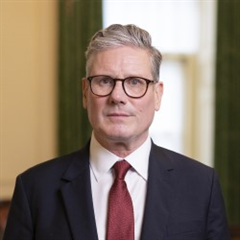
Starmer spent the week firefighting on multiple fronts, none of them successfully. Trump reportedly dismissed his legal excuses on Iran during an icy call, with the President sniping that Starmer 'is not Winston Churchill'. The Prime Minister tried dangling a King's state visit as a sweetener, but Trump wasn't having it. David Lammy's warning that criminals would be 'let loose' if Labour MPs revolt on jury reform suggests backbench discipline is fraying. Coverage split between praise for Iran handling from friendly outlets and brutal assessments of his Trump relationship from the rest. The Rise Score flatlined at 563 because nothing actually shifted: polling stuck at 23%, media coverage mixed at best, and no meaningful policy wins to show. Watch whether Labour MPs force concessions on jury reform or Iran sanctions next week.
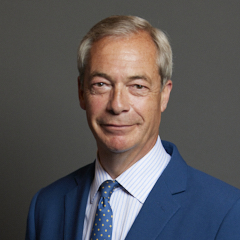
Farage's week descended into policy chaos. He declared Britain should 'not get involved' in another foreign war over Iran on 10 March, directly contradicting senior Reform members who'd backed US strikes days earlier. Then he told Sky News he 'never' pledged to cut council tax, prompting questions about what Reform actually stands for. The fuel duty stunt at Newhaven Services got coverage, but his claim he'd dine with Trump at Mar-a-Lago fell flat when the Financial Times reported Trump changed travel plans and Farage never got the meeting. His Rise Score held at 444 purely on structural advantages: 26% polling, 4.4 million social followers, and relentless media attention. But the U-turns are piling up. Watch whether the Iran flip-flop costs him credibility with the pro-military wing of his voter base.
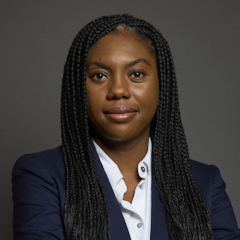
Badenoch refused to apologise for saying the RAF is 'just hanging around' in the Middle East, doubling down that she supports the armed forces while attacking the Government's Iran response. The comment drew overwhelmingly negative coverage across outlets, with LBC and the Evening Standard leading the pile-on. Her defence, that Labour was using forces as a 'human shield' for ministerial criticism, didn't land. The one bright spot: backing CANZUK got positive write-ups, but barely registered compared to the RAF row. Her Rise Score stayed at 416 because the fundamentals didn't budge: 20.6% polling, 116 MPs, and just 75 articles this week compared to Starmer's 575. The Conservatives remain structurally weak. Watch whether she tries to move past the RAF comments or keeps fighting that battle into next week.
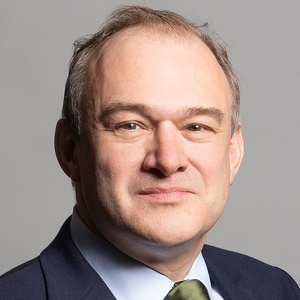
Davey's week was defined by a single high-risk gambit: demanding Starmer cancel King Charles's US trip to prevent him meeting Trump. The coverage was brutal. GB News, the Daily Express, and even neutral outlets framed it as dragging the monarchy into politics, with the Express calling it a 'shameful plot'. A poll showing nearly half of Britons want the visit cancelled gave Davey some cover, but the backlash drowned it out. Then a Lib Dem MP billing taxpayers £123 for ear defenders added to the sense of a party struggling for serious attention. The Rise Score held at 378 on structural factors: 72 MPs, 3,214 councillors, 12.8% polling. But media presence remains weak at just 25 articles. Watch whether Davey doubles down on the King controversy or pivots to safer ground before the May elections.

Polanski held talks with Labour MPs as the Greens' post-Gorton momentum continues, with The National Scotland reporting MPs are now 'placed on Greenwatch' as defection risks. But the week's coverage turned sour: GB News ran a story claiming the Green Party would force Britons to hold licences to keep dogs, while the Daily Mail covered Hannah Spencer being escorted by police after fights broke out at a trans rights protest in Manchester. The Financial Times asked whether the Greens are 'too radical for Britain', framing the party's rise as a double-edged sword. Polanski's Rise Score stayed at 351 because the fundamentals are solid: 11.8% polling, five MPs, and growing councillor numbers. But the negative coverage suggests opponents are taking the Greens seriously enough to attack. Watch whether the dog licence story gains traction or fizzles as pre-election scaremongering.
Westminster spent the week watching Nigel Farage try to have it both ways. The Reform leader reversed his own MPs on Iran, flip-flopped on council tax pledges, and claimed he'd dine with Trump at Mar-a-Lago only for the FT to report the President changed his travel plans. His £215,000 bitcoin punt with Kwasi Kwarteng raised eyebrows, but the real story was tactical voting. Lord Hayward's canvassing data shows middle-class voters in Dulwich and Hampstead now volunteering to back "anyone but Reform". That's not protest voting. That's organised rejection. Meanwhile, Labour limps on at 23%, still reeling from the Greens overtaking them in the polls. Starmer's refusal to seize Khamenei's £200 million London property empire while lecturing about Iranian sanctions looks like rank hypocrisy. The Tories are stuck at 20.6%, with Badenoch refusing to apologise for saying the RAF is "just hanging around" in the Middle East. The cracks in Reform's operation create space, but only if someone can occupy it without looking like a spoiler. Farage's inconsistency on Iran and council tax suggests he's triangulating for a general election rather than building a coherent platform. That leaves voters who want immigration control without the culture war theatrics, or fiscal conservatism without the crypto punts. Labour's collapse benefits the Greens on the left, but the centre-right remains fragmented. The May locals will test whether anti-Reform tactical voting is real or just chatter from Tory analysts. If it holds, the question isn't whether the right can win, but which version of the right can convince floating voters it won't embarrass them at dinner parties.