Ground Game
In Parliament
 Labour404
 Conservative116
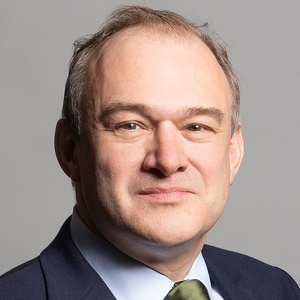 Lib Dem72
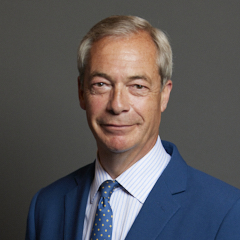 Reform8
 Green5
 Restore1
Lowe hasn't spoken in the Commons chamber once this week. No parliamentary questions tabled. No votes recorded in division lobbies. His offshore detention petition passed 700,000 signatures with a government response in January. His grooming inquiry crowdfund hit £768,833 according to Conservative Home on 20th February. But petition signatures don't translate to council candidates.
The 15 Restore councillors all jumped from Reform or independent ranks between mid-February and early March. Seven Kent County councillors switched on 17th February alone. Charles Whitford, a Leicestershire cabinet member, defected on 20th February. Not one of these seats was contested under Restore's banner.
Lowe lost his High Court bid on 24th February to block the parliamentary watchdog investigating him. The judge cited strong public interest. His betting odds improved from 20 to 1 to 10 to 1 in one week, with bookies pricing him at 14 to 1 to become prime minister.
Hope Not Hate polled 629 Reform members between 29th January and 16th February. Two thirds held positive views of Lowe. That's Farage's base rating his rival.
The defection strategy works until the supply of disillusioned Reform councillors runs dry.
The Defections
Reform pledged tax cuts but delivered the opposite. Worcestershire raised bills by 9%, Durham by 4.71%, Kent by 3.99%. Every Reform council that entered May 2025 promising cuts ended up raising rates.
Lowe picked off seven Kent councillors in one week, all previously expelled or suspended from Reform. It's expansion by poaching, not persuasion. Restore Britain now holds 15 council seats without contesting a single ballot.
Jack Goncalvez remains with Restore after defecting from North Northamptonshire in March. But Darren Rance defected then reapplied to Reform within two days. The churn suggests Lowe's recruitment pitch has shelf life.
George Finch, the 19-year-old Reform leader of Warwickshire, faced a no-confidence vote on 12th March over conduct breaches. That's not insurgent energy. That's administrative chaos.
Reform claims £700m in identified savings across nine councils, keeping tax rises to an average 3.94% versus Labour's 4.71%. Richard Tice insists this vindicates Reform's efficiency pledge. It doesn't. Voters heard "cut taxes," not "raise them slightly less than Labour."
Restore has councillors but no candidates. Reform has candidates but a governance record now subject to scrutiny. May will decide which matters more to voters: Lowe's theoretical insurgency or Reform's actual performance managing bin collections and potholes.
The Timeline
Restore Britain isn't contesting a single seat in May's local elections. The party lacks Electoral Commission registration. It fields no candidates, runs no campaigns, prints no leaflets.
Reform's governance record provides the supply. Kent cut £1.2 million from fostering services while passing a tax rise despite pre-election promises. A quarter of Reform councils carry red ratings for road maintenance. Councillors elected on tax-cutting platforms discovered they inherited broken budgets or couldn't deliver what they promised. Some jumped to Restore rather than face voters defending a record they can't defend.
Reform contests Lancashire authorities where the party previously lacked presence. The Conservatives select candidates. Labour defends strongholds turned marginal. Lowe scavenges but builds nothing voters can choose on the ballot.
Reform's May result will determine whether the supply continues. If Reform holds councils despite tax rises and pothole failures, defectors look like rats abandoning a ship that didn't sink. If Reform collapses under broken promises, more councillors will calculate that Restore offers better odds than defending Worcestershire's hike on doorsteps.
Lowe's 15 seats depend entirely on Reform's failures providing a steady stream of disillusioned defectors. The model works until the carcasses run out.